
Hajra Arbab Sees Entertainment’s Next Challenge in the Fight for Audience Discovery
The media executive and producer works across global distribution, independent film, and South Asian storytelling at a time when access alone is no longer enough.
Aug. 11 2026, Published 8:52 p.m. ET

Hajra Arbab: Entertainment’s Next Challenge
The media executive and producer works across global distribution, independent film, and South Asian storytelling at a time when access alone is no longer enough.
A film can land on a streaming platform and still miss the audience it was made for. Hajra Arbab sees that as one of the defining problems in entertainment right now. The industry has become better at placing content in the digital marketplace, but placement does not guarantee attention.
This is important in a business where availability can create a false sense of success. Streaming has given films and television shows more ways to enter viewers’ lives. Digital retailers have widened the commercial shelf. International co-productions and independent financing have opened more routes for creators outside traditional studio systems.
The new challenge is what happens after the door opens.“Streaming created incredible access,” Arbab says.
“But access is not the same as discovery. A story can be available and still not reach the people who would connect with it.”
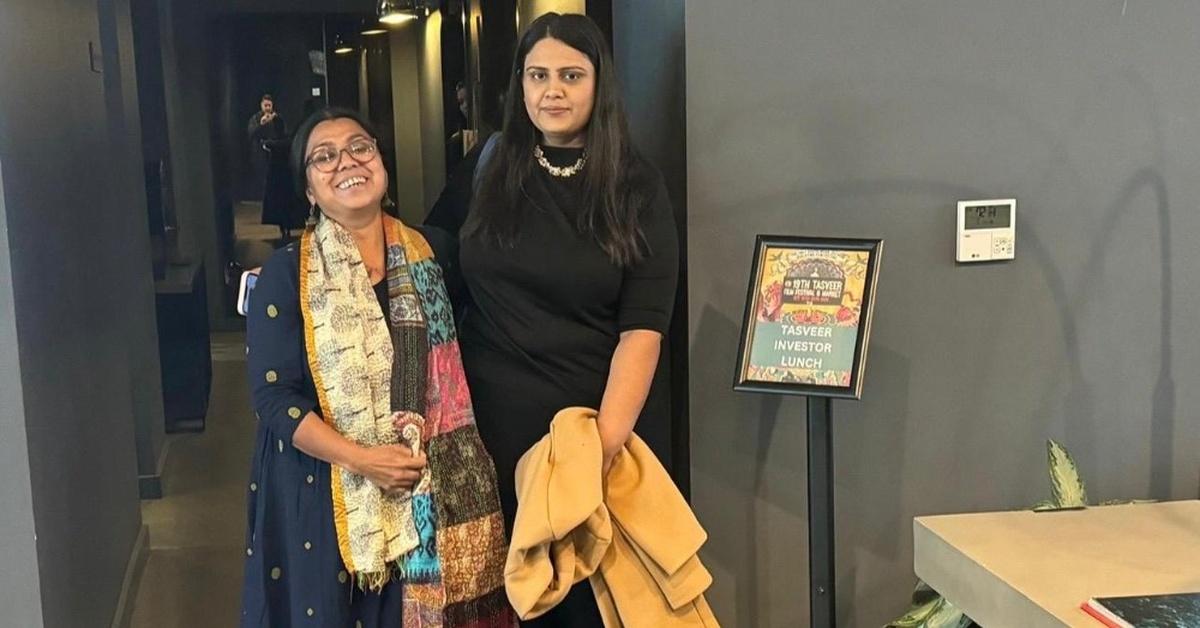
Hajra Arbab: Entertainment’s Next Challenge
Arbab works in media operations at Warner Bros. Discovery, where she helps manage the delivery of film and television content to streaming platforms and digital retailers. She is also an independent film producer and the Managing Director of The Colony Lahore, a creative arts organization supporting actors, filmmakers, and artists through training, productions, and cultural initiatives.
Her career places her at a useful intersection. She understands the business systems that help finished content enter the market, but she also works with the kind of independent and culturally specific storytelling that can struggle to be noticed once it gets there.
Entertainment is now a race to connect the right stories with the right audiences in an environment where attention has become one of the industry’s most valuable resources.
“Getting a film onto a platform is important,” Arbab says. “But the larger question is whether the audience that needs that story can actually find it.”
That issue is especially sharp for independent films and underrepresented stories. Major studio releases often arrive with marketing power, established relationships, and built-in awareness. Smaller films may have strong creative value but limited visibility. They can be available to global audiences in theory while remaining difficult to discover in practice.
Arbab sees that gap as one of the reasons the industry has to think beyond technology alone. AI, streaming expansion, digital distribution, and direct audience engagement are reshaping entertainment, but tools do not solve the entire problem. They can make production and delivery more efficient. They cannot replace the human judgment needed to develop, position, and champion stories that deserve attention.
“Technology can support the work,” she says. “It should not become the reason we stop asking whether the story has emotional truth.”
That belief shapes her producing work. Arbab is focused on meaningful independent films and stories that amplify underrepresented voices. Her long-term vision includes bringing authentic South Asian narratives to international audiences while showing that local stories can carry global relevance.
The phrase “global audience” can create pressure for filmmakers to soften what makes a story culturally specific. Arbab believes that is the wrong lesson. Often, the details of place, language, memory, and community are what make it powerful enough to reach across distance.
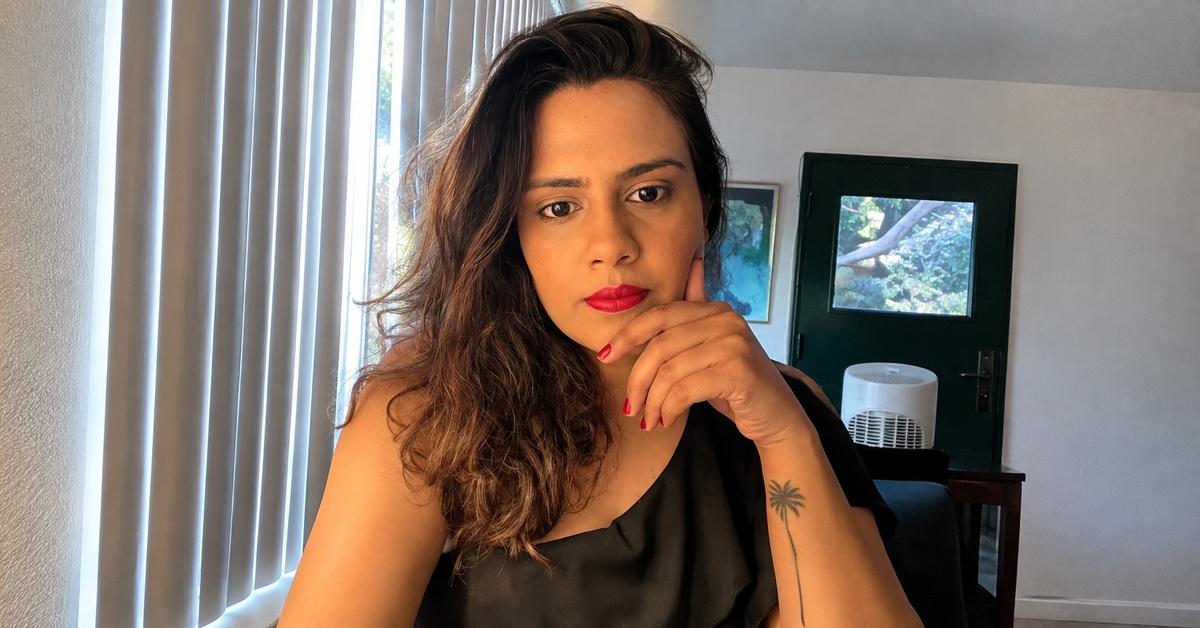
Hajra Arbab On Entertainment’s Next Challenge
“A South Asian story should not have to dilute itself to be understood,” Arbab says. “Specificity is not a weakness. It is often what makes a story feel alive.”
Her own path helps explain that perspective. Arbab built her career across Pakistan and the United States, moving between entertainment markets, creative communities, and professional systems. That experience gave her a cross-cultural view of the industry. It also made her attentive to the barriers that can keep strong stories from reaching wider audiences.
In entertainment, scale is not always the same as access. A platform can be global while the path to visibility remains uneven. A filmmaker can have talent and still lack the network, financing, or support to move a project beyond a local circle. An artist can have a distinct voice and still need a community strong enough to help that voice develop.
That is where The Colony Lahore becomes part of Arbab’s larger business view, not a separate passion project. As Managing Director, she helps support training, productions, and cultural initiatives for actors, filmmakers, and artists. The organization reflects her belief that the future of entertainment depends on developing talent before the industry asks that talent to compete internationally.
“If we want stronger stories, we have to invest earlier,” Arbab says. “Creative communities need places where artists can train, collaborate, and build confidence before the world is watching.”
Arbab also leads Dominion Gallery, supporting contemporary artists and expanding opportunities within Pakistan’s creative community. She has been selected as a mentor for the Women in Exhibition 2026-2027 mentorship program, extending her work into professional development and leadership for the next generation of entertainment professionals.
Those commitments support a broader argument about the economics of storytelling. The entertainment industry often celebrates finished work after it succeeds. Arbab is interested in the structures that make success possible before that point: creative spaces, mentorship, production opportunities, cross-cultural partnerships, and distribution strategies that give meaningful stories a better chance to survive the market.“
Talent exists in many places,” she says. “The real question is whether the industry creates enough pathways for that talent to grow and be seen.”
That question will only become more urgent as the market changes. Audiences have more choices than ever. Platforms compete for attention. Creators are experimenting with new financing models and more direct relationships with viewers. AI may affect how parts of production and post-production are handled. Global demand for authentic, diverse stories continues to rise, but demand does not automatically create equal opportunity.
Arbab believes the strongest entertainment leaders will be the ones who can understand both sides of that equation. They will need to understand how content moves through the business. They will also need to understand why people connect with stories in the first place.
Her own goals reflect that balance. She wants to continue growing as a producer, develop films that amplify underrepresented voices, and support more South Asian stories with international potential. She also wants to take on greater leadership roles in shaping how stories are developed, distributed, and experienced worldwide.
“Entertainment is changing quickly,” Arbab says. “But the center still has to be the story and the people who make it possible.”
For Hajra Arbab, the future of entertainment is not simply more content on more platforms. It is a more intentional bridge between access and discovery, between local voices and global audiences, and between the technology that moves stories and the strategy required to make the right audiences notice them.