
Choosing an Online Gold Buyer: What the Offer and Payment Terms Reveal
An unworn necklace or a collection of gold coins can leave an owner wondering what a buyer would actually pay.

Sept. 23 2026, Published 3:40 p.m. ET

An unworn necklace or a collection of gold coins can leave an owner wondering what a buyer would actually pay. Checking the current price of gold online offers a useful starting point, but doesn’t account for the purity, weight, condition, and other characteristics that can affect an actual offer.
For someone researching the best place to sell gold online, important points of comparison include how a buyer determines value, which market price it uses as a reference, and how its offer, return and payment terms work.
Those considerations come together in the service offered by Sell Your Gold, an online buyer of jewelry, coins and bullion. Owners mail in eligible items for evaluation, then receive an offer to help them decide whether to sell.
How Sell Your Gold’s Offer Process Works
For owners considering selling jewelry or coins, two questions come naturally: how much will they receive, and how soon will they be paid? Sell Your Gold’s service begins with a free appraisal kit. The owner sends in their items, the company evaluates them and makes an offer, and those who accept move on to payment.
That offer gives the owner a concrete amount to consider for the belongings they sent. Understanding which factors went into the valuation can help them make sense of the price, especially when several different pieces are involved.
Customer reviews on Trustpilot give prospective customers insight into the Sell Your Gold experience. Reviewers frequently highlight helpful communication, efficient turnaround times and satisfaction with the value they received. Each offer is individually determined based on the type, purity, weight, condition and other characteristics of the items submitted.

What affects the value of jewelry, coins and bullion
Understanding an offer starts with knowing what the buyer is assessing. Sell Your Gold considers applicable market prices, along with item-specific factors such as condition, brand, gemstones, or collectible value. Weight and purity provide different information: how much material is present and how much of it is precious metal. The weight of a gold item, on its own, tells only part of the story.
For jewelry, condition, manufacturer or brand, and gemstones can also influence the assessment. These details help explain why the gold content may be only one consideration in valuing a piece.
Diamond evaluation brings in carat weight, cut, color and clarity, as well as whether the stone is natural or laboratory-grown. The stone’s condition and setting can also matter. Although the words sound alike, diamond “carat” measures weight, while gold “karat” describes purity.
For coins and bullion, Sell Your Gold considers the mint or manufacturer, authenticity and condition alongside metal content, weight and purity. Where applicable, the assessment also accounts for numismatic value: the value a piece holds as a collectible.
The effect of these characteristics varies by item, as not every coin or bar will carry a premium beyond its precious-metal value.
How a market reference becomes part of an offer
Under its terms, Sell Your Gold uses current pricing from an industry-recognized precious-metal pricing service on the day it processes the items. Because precious-metal prices fluctuate, this approach ties each evaluation to the market price in effect when the items are assessed.
One commonly used market reference is the spot price: the live market bid for an ounce of pure precious metal before refining, handling, or transaction costs. It provides a starting point for understanding the metal’s value, but jewelry, coins and bullion have characteristics that a per-ounce price does not capture.
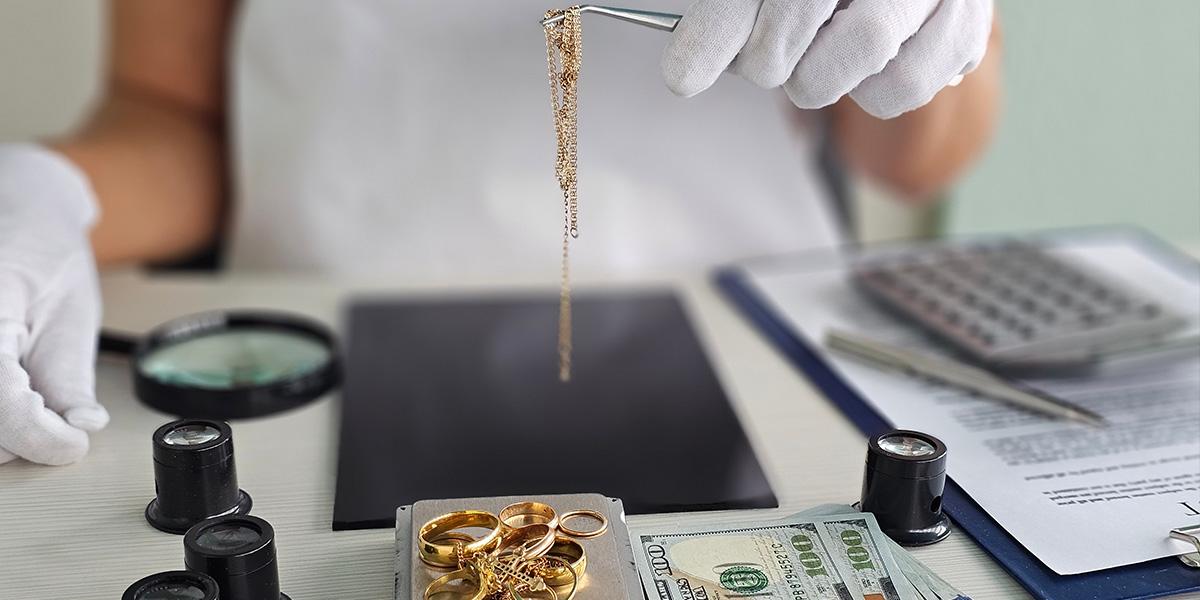
Rarity, demand and condition can also influence what an item is worth in the retail or secondary market. This is what Sell Your Gold’s terms call market value, and it helps explain why the assessment can extend beyond the precious metal alone.
The purchase offer brings the applicable pricing and item assessment together. Sell Your Gold considers purity, weight, condition, quantity-related tiers and other relevant factors to determine the total amount it proposes to pay for the owner’s submission.
Accepting or declining an offer and receiving payment
Once the evaluation is complete, the owner receives an offer by email or text with a link to their account, or by telephone. Sell Your Gold aims to provide the offer on the day the items are evaluated and generally provides the offer within one business day of receiving the items.
The owner then has an amount to consider and a choice about selling. If the owner chooses not to sell, they can decline by phone, text, or email within 10 days of receiving the offer and have their items returned free of charge. An unanswered offer is treated differently: after 15 business days, Sell Your Gold considers it accepted and sends payment by company check.
For owners who accept, payment options include ACH transfer to a bank, PayPal and company check. Sell Your Gold provides for payment to be sent within one business day after acceptance, once any necessary verification and payment requirements are met. When the money reaches the owner depends on the method selected.
To protect the transaction and comply with applicable requirements, Sell Your Gold may verify the customer’s identity and payment information before issuing payment. Florida’s requirements for mail-in precious-metals sales also call for seller identification and confirmation that the person owns the items and has the authority to sell them.
Depending on the payment method selected, third-party transaction fees may apply. Customers can consider any potential provider fees and expected delivery times when choosing how they would like to be paid.
Customers may also have an opportunity to change their minds after payment has been issued, which is separate from declining the initial offer. Under Sell Your Gold’s rescission process, eligible customers must contact the company within 10 calendar days of payment issuance, complete the required form and return the payment within 14 days of the date on the form to have their items returned.
What to consider when choosing an online gold buyer
Finding the best place to sell gold online means looking beyond an advertised price or payout rate. A customer should understand how the buyer evaluates each item, which market price it uses, how long the customer has to respond, what return options are available, and when payment will arrive. Customer reviews can also provide insight into communication, turnaround time, and the overall experience.
Sell Your Gold brings these considerations together through item-specific evaluations, market pricing from the day the items are processed, multiple payment options and clearly explained return terms. Understanding these parts of the process gives customers a better basis for evaluating both the offer and the overall transaction before deciding whether to sell.