Trump's Fed chair pick says AI can help reduce interest rates — but economists aren’t convinced

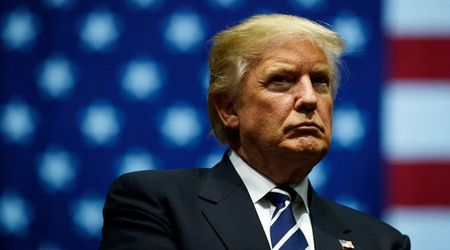
With President Donald Trump nominating Kevin Warsh as the next Chairman of the US Federal Reserve Board, the debate over the relationship between productivity boost, inflation, and interest rates has been renewed. Warsh, who has hinted that he may argue for lower interest rates, has long held the opinion that the Artificial Intelligence-related productivity boom can put a lid on inflation and allow interest rates to keep tumbling at the same time. While the idea has been supported by Treasury Secretary Scott Bessent, not all economists are sold on it, CNN reported.
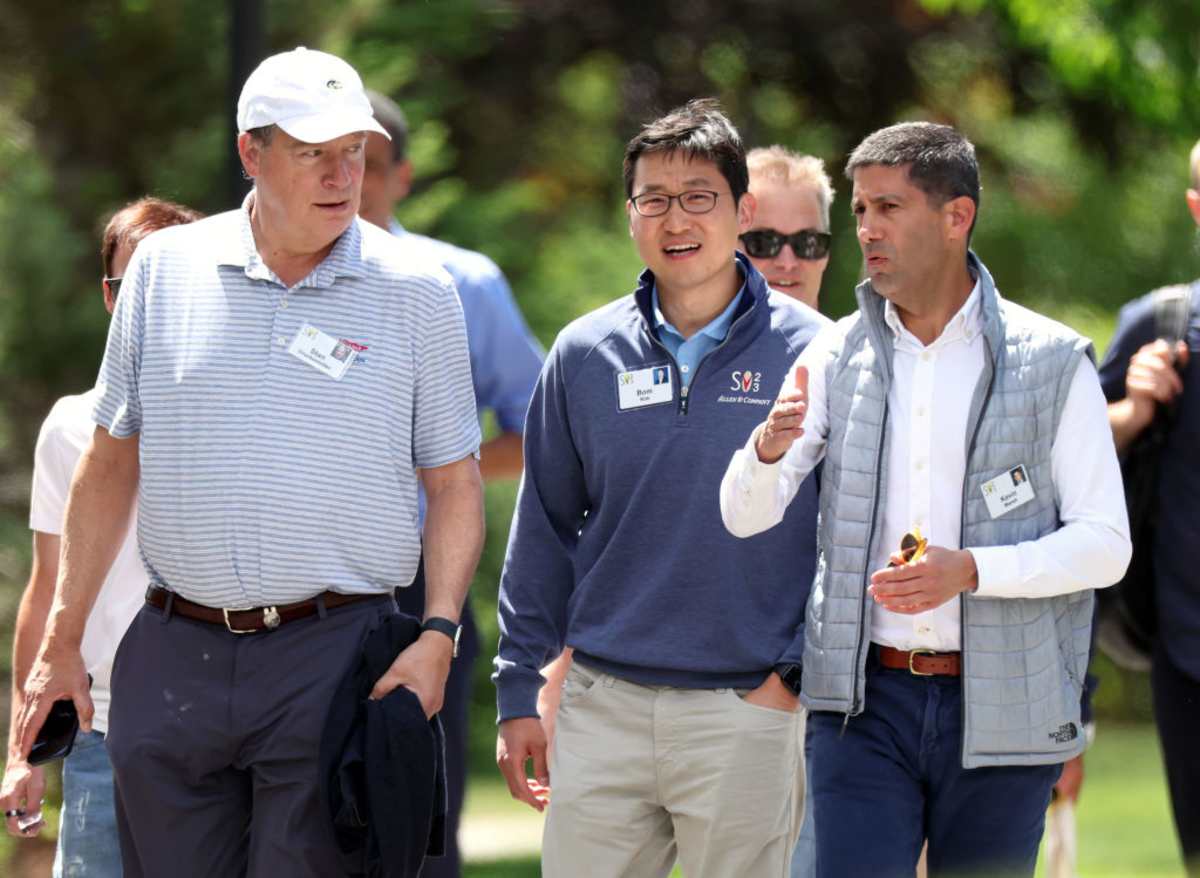
In a January 30 interview with Sadi Khan, CEO of Aven Financial, Warsh expressed that the AI productivity boom can transform the economic landscape of the country. AI is ushering in “the most productivity-enhancing wave of our lifetimes — past, present and future,” Warsh, who was nominated by President Donald Trump as Federal Reserve chair on January 30, said in an interview with fintech entrepreneur Sadi Khan. The technology could prove to be “structurally disinflationary,” like the internet, Warsh said, suggesting the Fed may have a clear path to continue lowering rates.

"I think inside of a year, we're going to see the best of our companies do things that are unimaginable, pick up margins and market share, and it'll probably be a while until that's broadly distributed," Warsh said, before going on to explain that economists will need to consider anecdotes instead of data to get the full picture. He claimed that anecdotes have already started to shift, though the economists and policymakers may not see that, as the economy could be growing without that growth appearing in productivity statistics. "So they're going to have to make a bet. Is the economy becoming much more productive? Is the technology hitting more sectors, and what should they do about it?" Warsh said
The Fed chair also said that the data may seem backwards to a central banker, but they may be late in making a decision if they go by it. To support this argument, he shared an analogy of the 1993-94 period during the internet revolution. Alan Greenspan, the Fed chair at that time, was told that the technology would have deflationary effects and the economy would overheat. But Greenspan sat on the rates and asked his colleagues to be patient. "As a result, we had a stronger economy, we had more stable prices, and we had greater U.S. competitiveness. I suspect over the next couple of years, that decision will become central to the Federal Reserve and other big central banks," Warsh said.
However, according to a Deloitte- Wall Street Journal report, in the 1990s, the benchmark interest rate was steady at about 5%, much higher than inflation, which hovered in the range of 2% to 3%. Thus, the Fed actually kept the real interest rate relatively high, compared to the present.
“Recognizing that the economy was in the early stages of a productivity boom helped the Greenspan-led Fed hold off on interest rate hikes in the 1990s, but it wasn’t an argument for cutting rates into accommodative territory,” Michael Pearce, chief US economist at Oxford Economics, wrote in an analyst note on Friday. Furthermore, Cleveland Fed President Beth Hammack, who is set to vote on policy moves this year, previously expressed that stronger productivity could translate into a higher so-called “neutral rate of interest,” which implies the economy can withstand higher interest rates.
More on Market Realist:
Top economists say Kevin Warsh is a great choice for Fed Chair — but his litmus test is yet to come
Trump says his new Fed chair pick will boost US economy by 15%: 'I think more than that'
Trump says his Fed chair pick will cut interest rates — 'He wouldn't have got the job' otherwise