
10 Points To Consider To Protect Yourself From Romance Scams
Scammers exploit emotions to extract money, often spending weeks or months cultivating a relationship before asking for money.
Jan. 30 2024, Published 1:28 a.m. ET

10 warning signs of romance scams

As Valentine’s Day nears, many seek love online. Beware of romance scammers. They exploit emotions to extract money, often spending weeks or months cultivating a relationship before asking for money. Victims not only suffer monetary losses but also emotional distress, believing they are in genuine relationships. Scammers may coerce victims into sharing explicit photos for future blackmail. Using fake profiles, they deceive with stolen images and may even impersonate celebrities. Some promise large sums or investment opportunities, requiring upfront payments. Stay vigilant for warning signs to avoid falling prey to these scams while navigating the world of online dating.
1. Rapid emotional attachment

While some scammers adopt a patient approach, investing considerable time in building trust and rapport, others opt for a more accelerated strategy, seeking to quickly escalate relationships online. These fast-paced scammers aim to establish rapid emotional attachment, often showering their targets with affection and compliments to create a false sense of intimacy. By moving swiftly, they hope to bypass skepticism and manipulate emotions, increasing the likelihood of their victims complying with their requests for money or personal information. Therefore, it's essential to remain cautious and recognize these tactics to avoid falling victim to scams while engaging in online interactions.
2. Avoiding face-to-face interactions

Scammers don't like meeting face-to-face because it's harder to hide who they really are. If your online friend always finds excuses to not meet up, it's a warning sign. They might say they live far away, are busy, or have emergencies. By avoiding in-person meetings, scammers keep the deception going and can trick you into giving them personal info or money. Stay careful and suggest meeting in public if your online relationship gets serious. Be cautious if your friend doesn't want to meet in person.
3. Asking for money
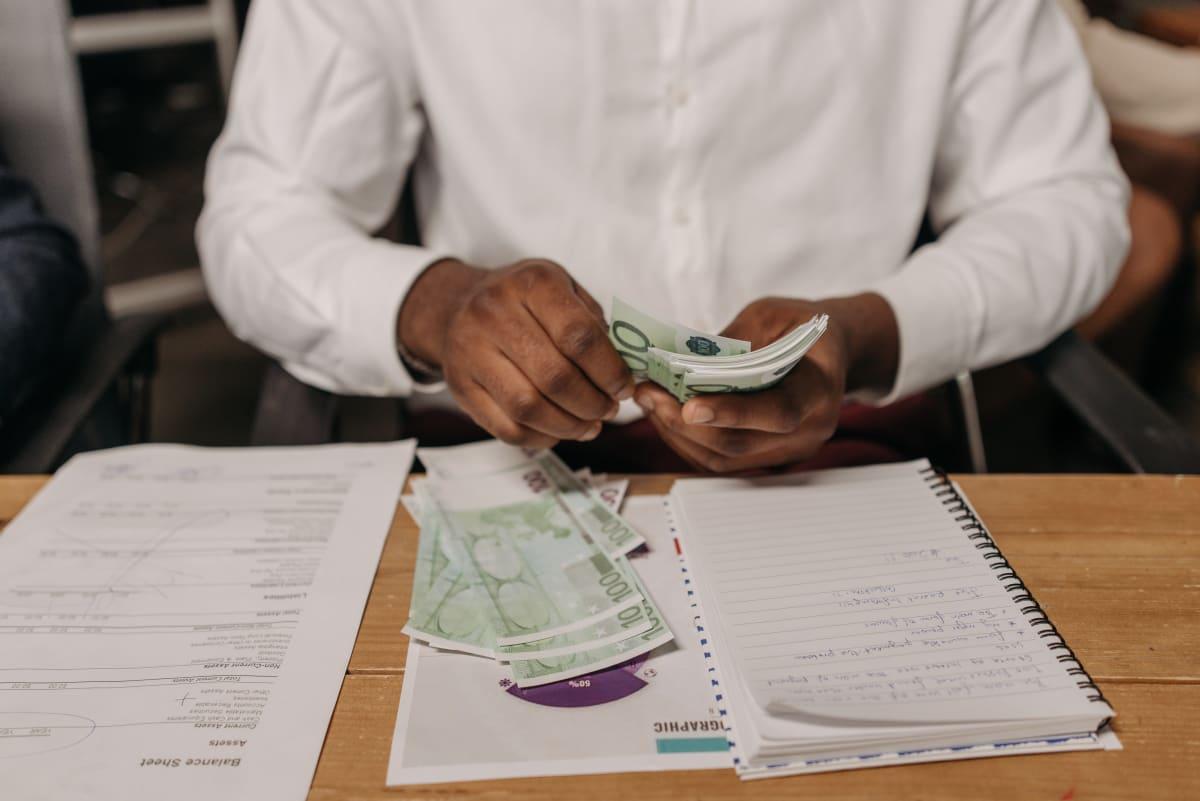
Scammers often resort to inventing emergencies or hardships to tug at your heartstrings and exploit your emotions. It's crucial to resist the urge to send money to someone you have only encountered online, regardless of the sob stories or urgent pleas they present. Financial transactions should be reserved for individuals with whom you have established a genuine, offline relationship. Stay vigilant and cautious, and prioritize your financial security by refraining from succumbing to these manipulative tactics employed by scammers prowling the digital realm.
4. Lie to banks

Scammers frequently urge victims to deceive their banks, instructing them to provide false information to avoid arousing suspicion during transactions. They may even coach victims on how to answer potential inquiries from bank personnel. However, honesty is essential for the bank to effectively safeguard your funds and increase the likelihood of recovering lost money in case of a scam. By truthfully disclosing information to your bank, you enhance their ability to detect and prevent fraudulent activities, ultimately protecting your financial interests and minimizing the risk of falling victim to scams.
5. Inconsistent scams

Remain alert for disparities in the information communicated to you. Scammers frequently employ a tactic known as "persona shifting," where they assume different identities or personas when interacting with various victims. Consequently, the details they provide may vary significantly across different conversations or encounters, leading to inconsistencies in their narratives. These disparities could manifest in discrepancies regarding their background, personal history, employment status, or even basic details such as their name or location. By scrutinizing the information you receive and noting any discrepancies, you can identify potential red flags indicative of fraudulent behavior. Maintaining awareness of these inconsistencies empowers you to safeguard yourself against scams.
6. Avoiding video calls

Consistent avoidance of video interactions by your online connection could be a significant warning sign. It may indicate a reluctance to reveal their true identity or authenticity, potentially masking deceptive intentions. Scammers often avoid video calls to conceal discrepancies between their online persona and reality, such as using stolen photos or adopting false identities. By sidestepping video interactions, they aim to prolong the deception and prevent detection. If your online counterpart consistently dodges video calls despite your attempts to initiate them, exercise caution and consider it a potential indicator of fraudulent behavior.
7. Urgent behavior

Scammers often try to make you feel like you have to act fast by using urgent or emotional tricks. They might say things like "You have to do this right now!" or "If you don't act quickly, something bad will happen!" Don't let them rush you. Take your time to think things through carefully, and don't be afraid to question anything that seems too urgent or pushy. It's important to stay skeptical and not let them pressure you into making decisions you might regret later. By staying calm and thinking things over, you can avoid falling for their tricks and protect yourself from being scammed.
8. Personal information

When you're starting a new relationship, it's normal to want to learn more about each other. However, scammers aren't just after your money—they want your personal information too. It's crucial to be cautious and avoid sharing sensitive details like your address or financial information with someone you've only met online. Protect yourself by keeping this information private until you have built a genuine, offline connection and can trust the person you're sharing it with. Remember, your safety and security should always come first, so don't hesitate to take steps to safeguard your personal information online.
9. Unrealistic photos

If the photos someone shares online seem too perfect or too good to be true, it's smart to proceed with caution. Scammers often steal images from other people's profiles to create a false identity. So, if their pictures appear overly polished or unrealistic, it could be a sign that they're not being honest. Trust your instincts and stay alert when you come across such discrepancies online. It's essential to take steps to protect yourself and verify the authenticity of the person you are interacting with before sharing personal information or getting too involved in the relationship.
10. Verify everything

To safeguard yourself from falling prey to romance scams, it's crucial to remain vigilant, trust your instincts, and verify information. Take the time to double-check details and ensure everything adds up. Additionally, seek input from trusted friends or family members to get a second opinion on any suspicious situations or individuals you encounter online. Their outside perspective can provide valuable insights and help you make informed decisions. By staying cautious, listening to your intuition, and seeking support from your trusted circle, you can reduce the risk of becoming a victim of romance scams and protect yourself from potential harm.