
10 Everyday Expenses You Should Stop Wasting Money On
It's the seemingly insignificant, day-to-day habits that could be eating away at your bank balance.
March 5 2024, Published 3:04 a.m. ET

Common Expenses You Should Ditch Today

You might think you're careful with your money, but according to financial expert Dave Ramsey, there's still room to do better. He mentions how it's not the big splurges that are the problem; rather, it's the seemingly insignificant, day-to-day habits that could be eating away at your bank balance and savings without you even realizing it—from tempting impulsive purchases to overlooked subscriptions silently eating into funds from your account. So, if you don't want to let these small expenses add up to big financial headaches, read on.
1. Frequently using disposable products

Regularly depending on single-use items such as paper towels, bottled water and self-sealing bags may appear convenient, but it is a financial drain in the long run. Ramsey proposes that you switch to reusable alternatives to save money. Instead of constantly purchasing paper towels, consider utilizing washable hand towels that may be reused several times. Rather than buying bottled water every time you are thirsty, invest in a long-lasting, reusable water bottle that you can refill as needed. Furthermore, rather than using throwaway self-sealing bags to store food, choose reusable plastic containers with secure lids. Making these simple modifications will not only save you money in the long run but will also lessen your environmental impact by reducing unnecessary waste.
2. Buying only name-brand items
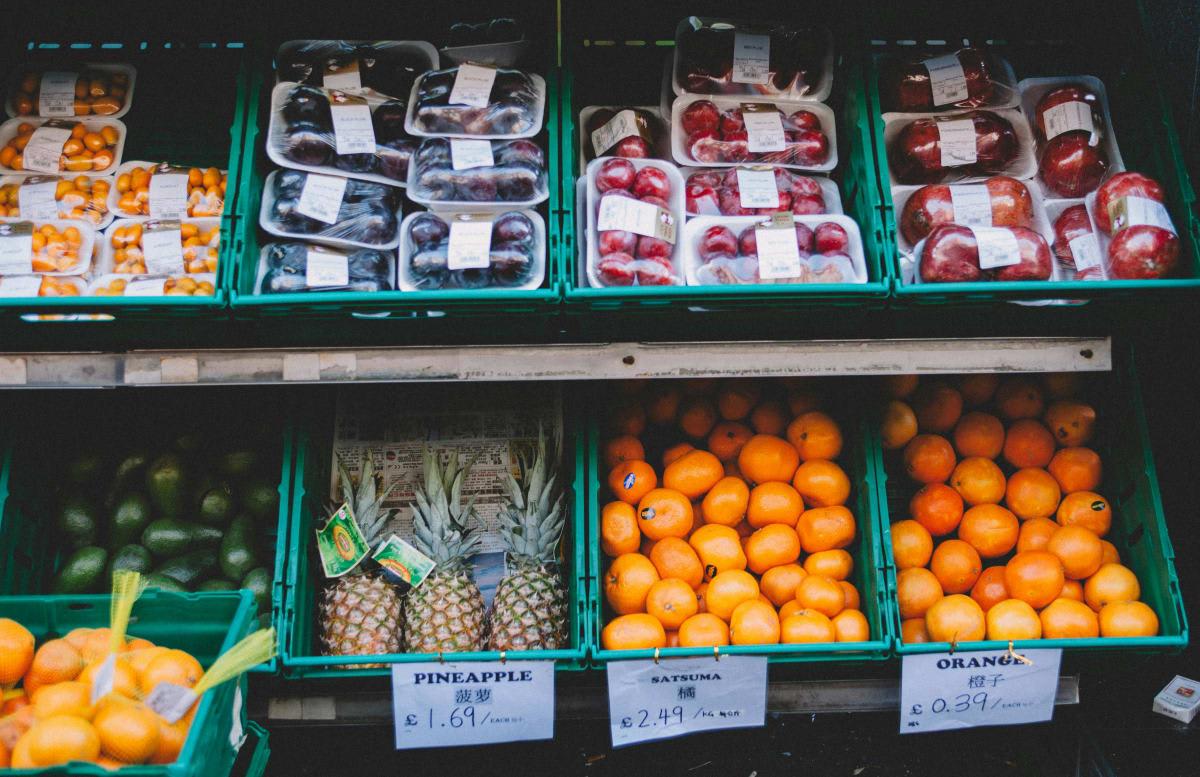
Choosing name-brand products over generic or store brands can result in excessive spending. Store brands frequently provide the same or equivalent quality as their more expensive counterparts, which means you are essentially paying more for the same thing. Don't let concerns about quality or taste keep you from trying generic products; you might be pleasantly surprised. In many cases, the only discernible difference is the package. You may even find that you like the taste or quality of the generic product. You don't have to cling to brand-name things, especially at the grocery store. Take the time to compare brand-name and generic prices for food, prescriptions, cleaning products and trash bags.
3. Eating out every day
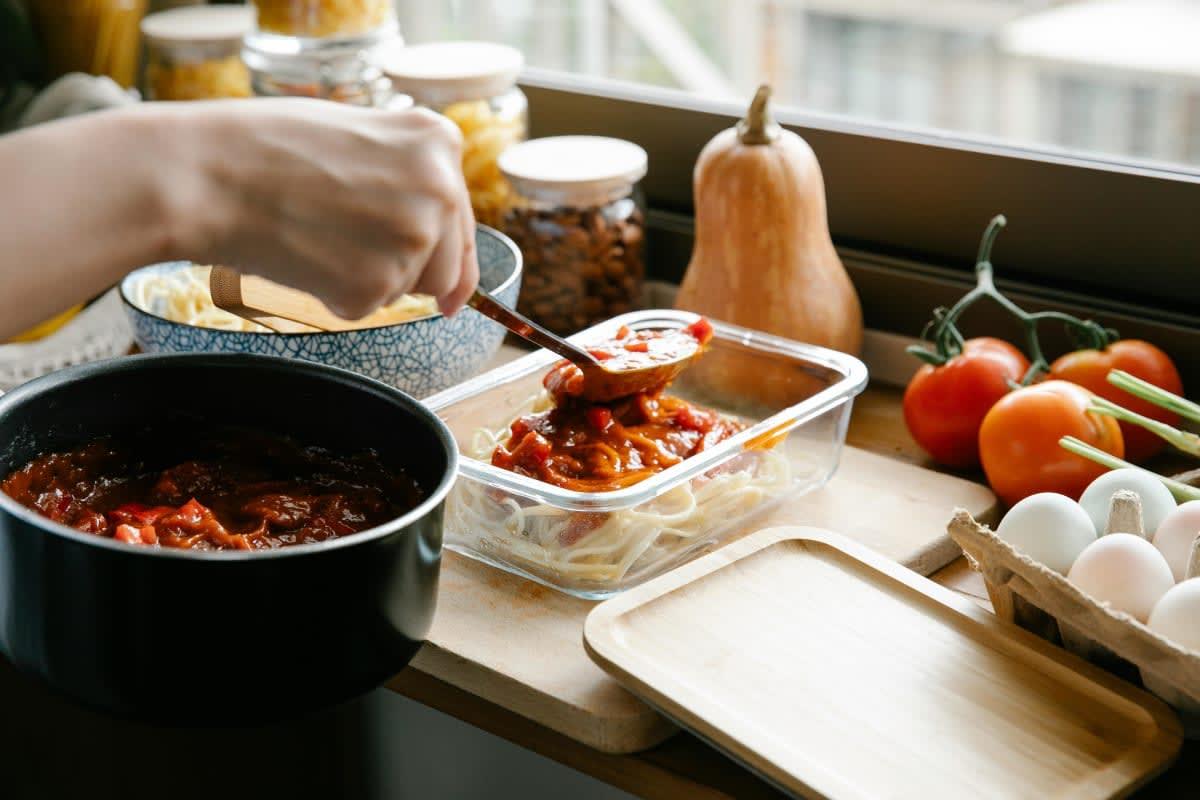
Spending $15 on lunch every day may not seem like a lot, but it adds up to $75 per week and $300 per month. Making your lunch at home can help you save a lot of money over time. Plan your meals ahead of time and utilize leftovers whenever possible. This allows you to resist the temptation to eat out for lunch or order food delivery in the evening after work. With a little effort, you may enjoy prepared meals that are not only less expensive but also healthier.
4. Getting coffee

Spending $5 on coffee every day may not seem like a lot, but it adds up quickly. A $100 expense per month adds up to a total of $1,200 over a year. Consider what you could do with the extra cash, such as increasing your emergency fund. Brew your coffee at home instead. You can easily invest the amount spent outside on a budget-friendly coffee machine tool. For about $25 per month, you can get your morning boost without breaking the bank. It's a minor improvement that can result in huge savings over time.
5. Overbuying

Buying more produce or perishable food than you can consume before it spoils is a waste. This frequently results in having to trash a lot. Instead of overbuying, buy only what you know you'll need within a few days to avoid spoilage. Learn how to store food effectively to keep it fresher longer and reduce waste. You can plan and keep a grocery list ready to simplify the decisions. It's best to buy groceries for 2-3 days.
6. Not using cash-back apps or coupons

Not using coupons or cash-back programs like Upside, Ibotta or Rakuten can result in missed opportunities to save money on your purchases. These technologies provide discounts and monetary rewards that accumulate over time, allowing you to retain more money in your pocket. Take advantage of these money-saving chances by trying out different cash-back apps and looking for coupons when shopping. By adopting these tactics in your daily routine, you can make your money last longer and increase your savings potential.
7. Falling victim to mindless scroll shopping

Scrolling through shopping apps due to boredom frequently leads to impulse buying of products you don't need. To stop this behavior, delete all shopping applications from your phone. If that is not possible, consider erasing your credit card information from the app or website to make purchases less convenient. This additional step creates a barrier between you and impulsive spending, allowing you to make more deliberate purchasing selections.
8. Buying in bulk

While buying in bulk can result in big discounts, it only works if you select the proper things. For example, storing up non-perishable items like toilet paper that you use frequently and have room to store makes sense. However, purchasing bulk food items that may spoil before you can eat them all or investing in things that your family dislikes such as huge boxes of new breakfast cereal is not cost-effective. Buy in bulk when it is practical and cost-effective. Furthermore, carefully verify the price per unit to guarantee you're genuinely saving money because purchasing a lower amount of the same product at the grocery store may be more economical.
9. Prepackaged grocery items

Because of the increased convenience that prepackaged supermarket items provide such as fresh meals, cut-up fruit, and bagged salads, they are frequently more expensive. So you are paying more for the time-saving benefits of these items. For example, a bagged salad with dressing and toppings can cost twice as much as a head of lettuce with homemade dressing. Instead of buying prepared foods, buy entire fruits and veggies and preparing them yourself. By taking the extra time to create your meals from scratch, you can save money and have more control over the items you use.
10. Having meat for every meal

Meat is more expensive than other protein sources like canned beans. There are fresh veggie sources of proteins that are easier to digest. Adding vegetarian dinners to your weekly menu once or twice to save money. You may save money on groceries while still eating nutritious and fulfilling meals by replacing meat with plant-based protein sources.